Decor
Boho Living Room Ideas: 12 Warm Textures That Transform a Space
Boho is less a look than a layering method. These 12 warm textures — from macrame to fluted wood — are how a neutral room becomes a layered, lived-in sanctuary.
Boho style is not about collecting rattan and calling it done. It is a layering method — combining natural textures in varying weights so a room feels collected over time rather than bought in an afternoon. Start neutral, then build warmth with these twelve textures.
What makes a living room "boho"?
A boho living room layers natural, handmade, and organic textures — woven fibers, wood grain, ceramic, and soft textiles — over a warm neutral base. The look reads relaxed, personal, and a little imperfect, with depth coming from texture rather than bold color.
The 12 textures, in layering order
- Macrame wall hangings & runners — add handmade softness to walls and tables.
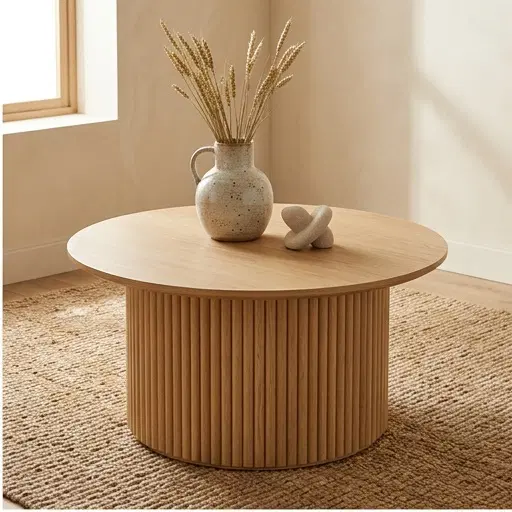
- Fluted & reeded wood — a coffee table or side table with vertical grooves adds rhythm.
- Bouclé upholstery — looped, nubby fabric that feels warm and organic on seating.
- Rattan & cane — lightweight woven frames for chairs and headboards.
- Hand-thrown ceramic vases — imperfect glazes in cream, sand, and terracotta.
- Jute & wool rugs — a natural-fiber rug grounds the whole room.
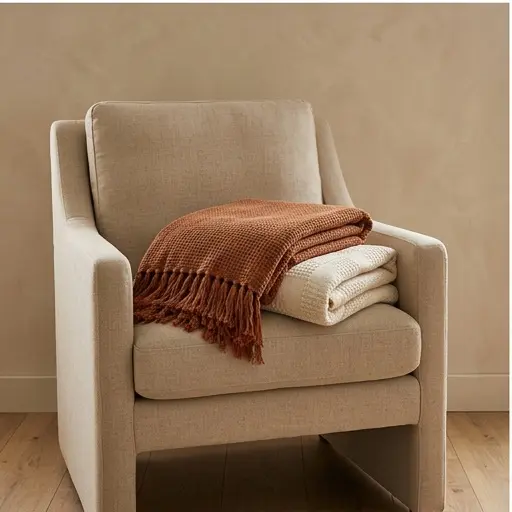
- Linen & cotton throws — draped, never folded perfectly.
- Fringe & tassels — on pillows, curtains, and runners for movement.
- Live-edge wood — a single organic-edged shelf or stool softens straight lines.
- Brass & blackened metal — thin warm-metal accents on lighting and hardware.
- Dried & foraged botanicals — pampas, eucalyptus, and dried palm leaves.
- Textured plaster walls — limewash or plaster adds depth without color.
How to layer without clutter
Pick three to five textures from the list above and repeat each one at least twice around the room. Repetition is what makes a layered room feel intentional. If every texture appears only once, the space reads as cluttered rather than curated.
The boho color base
Keep walls and large furniture in warm neutrals — cream, sand, oat, and soft terracotta. Let texture carry the interest and reserve color for a single accent, such as a rust pillow or an ochre ceramic, repeated in two or three places.
Key takeaways
- Boho is a layering method built on natural, handmade textures.
- Choose 3–5 textures and repeat each at least twice.
- Keep the color base warm and neutral; let texture do the work.
Frequently asked questions
What is boho style in a living room?
Boho style layers natural and handmade textures — macrame, rattan, ceramic, bouclé, and wood — over a warm neutral base. Depth comes from varied textures rather than bold color, giving a relaxed, collected feel.
How do I make my living room look boho on a budget?
Start with a neutral base and add three to five inexpensive textures: a macrame runner, a hand-thrown ceramic vase, a linen throw, dried botanicals, and a jute rug. Repeat each texture twice to look intentional.
What colors work best for a boho living room?
Warm neutrals — cream, sand, oat, and soft terracotta — form the best boho base. Add a single accent color like rust or ochre, repeated in two or three places, while texture carries most of the visual interest.
"I bought the modular sectional for a 500-square-foot apartment and it genuinely made the room feel bigger. The reconfiguration took ten minutes — no tools."
The slow living letter
Loved this guide?
Get the next one — plus a weekly curated find — straight to your inbox.
Join 12,400+ readers. Unsubscribe anytime — we keep it slow.